
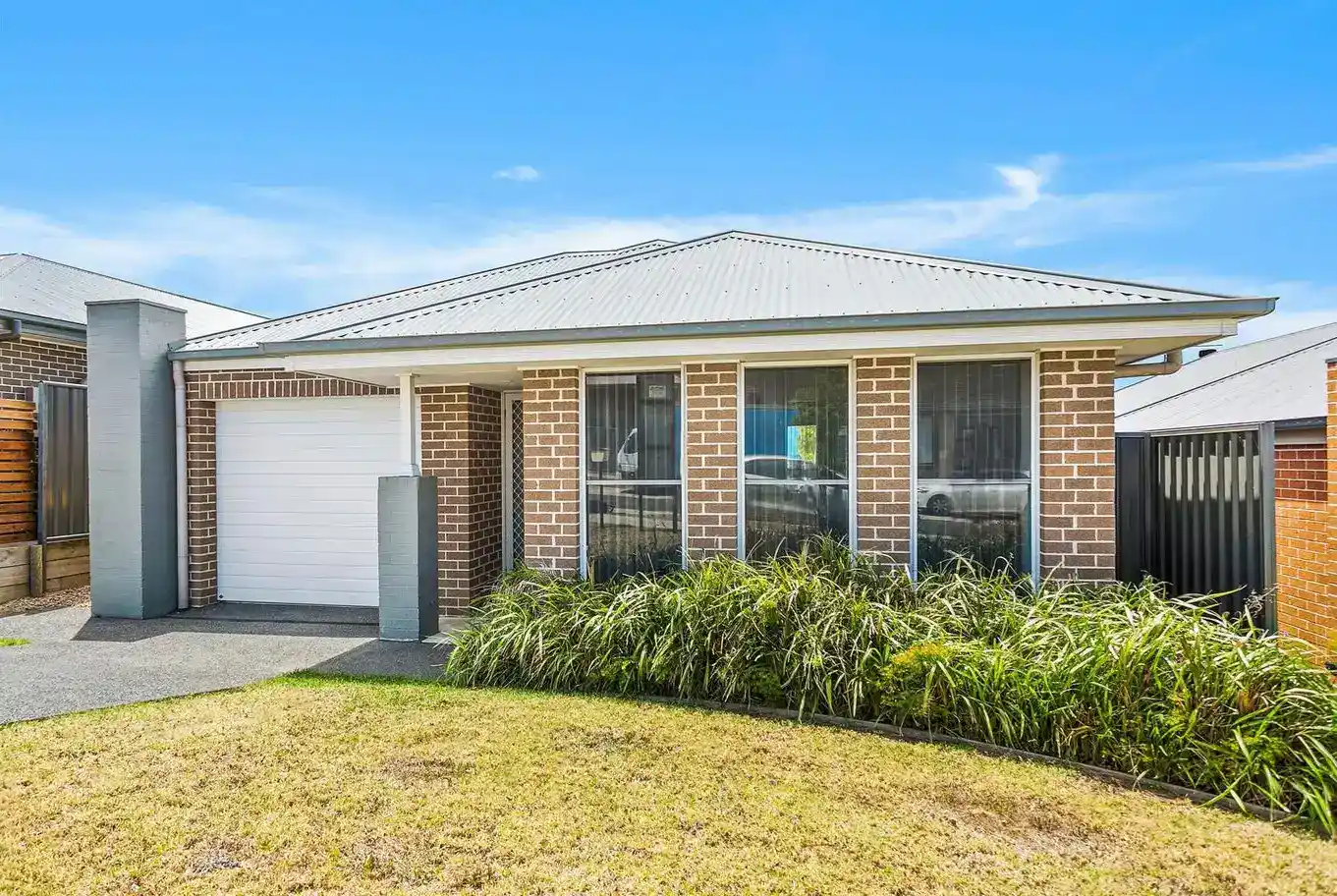

Finding the right home can feel exciting, but it can also feel overwhelming. There may be new terms to understand, reports to organise and important decisions to make. The good news is that you do not need to work everything out at once. The SDA journey can be taken one step at a time, with support around you.
The most important thing to remember
You should remain at the centre of the process. Your needs, preferences, relationships and goals matter when choosing where you live and who supports you.
First, what is SDA?
Specialist Disability Accommodation (SDA) is housing designed for eligible NDIS participants with extreme functional impairment or very high support needs. It may be considered when other home and living options do not meet a person’s disability-related needs.
An SDA home may include wider doorways, accessible bathrooms and kitchens, ceiling-hoist provisions, home automation, backup power or other features that make daily life safer and more accessible.
SDA pays for the specialised home itself. It does not pay for support workers or personal care inside the home. Those supports are funded separately, which may include Supported Independent Living (SIL) for some participants.
The SDA journey in six simple steps
1. Start with a conversation
Your first enquiry is simply a chance to talk about what you are looking for. You do not need to have every answer, and making an enquiry does not commit you to a property or provider.
It can help to share:
- what is and is not working in your current home
- the accessibility and safety features you need
- where you would like to live and what you want to stay close to
- whether you would prefer to live alone or with other people
- whether SDA is already included in your NDIS plan.
A family member, nominee, Support Coordinator, occupational therapist or another trusted person can be involved if that feels helpful.
2. Gather the right NDIS evidence
SDA is only funded for participants who meet the NDIS eligibility and funding criteria. The NDIA will need recent evidence from relevant treating health professionals, often including an occupational therapist.
The evidence should explain your daily support and housing needs, how your disability affects everyday life, and why other home and living options do not meet those needs. Your my NDIS contact can help you understand the process and the information required.
A useful way to prepare Write down the parts of your current home that make daily life difficult, unsafe or less independent. Real examples can help your treating team explain your housing needs clearly. |
3. Understand what has been approved
If SDA is included in your plan, the approved details will guide the type of home you can look for. The dwelling will generally need to align with the building type, design category and location included in your plan.
The four SDA design categories are:
Improved Liveability Better access and features that may support people with sensory, intellectual or cognitive impairments. | Fully Accessible A high level of physical accessibility, often for people who use a wheelchair at home. |
Robust A strong and durable environment designed to improve safety and reduce frequent repairs. | High Physical Support A high level of physical access, which may include hoist provisions, backup power and home automation. |
4. Find a home that feels right for you
A suitable home is not only about ramps, doorways or equipment. It should also work for your routines, relationships and the life you want to live.
Consider the location, access to family and healthcare, privacy, shared spaces, transport, community activities and any people you may live with. You can search the NDIS SDA vacancy finder, speak with providers, or ask your Support Coordinator or planner for help.
Before committing, check that the SDA provider is registered and the property is enrolled as an SDA dwelling that matches your needs.
Questions worth asking at an SDA inspection
- Does this home match the SDA details in my NDIS plan?
- Which accessibility, assistive technology and emergency features are included?
- Who would I live with, and how are housemate preferences considered?
- Can I choose or change the provider delivering my in-home supports?
- What rent, bills or other everyday costs will I need to pay?
- How are repairs, complaints and emergencies handled?
Read the agreements and understand the costs
A written service agreement is mandatory for SDA. It should clearly explain the rent, responsibilities, repairs, safety information, notice arrangements and what happens if there is a concern.
Participants generally pay an agreed reasonable rent contribution and everyday living costs such as electricity and groceries. The NDIS pays the approved SDA funding to the SDA provider.
Your housing and in-home supports are separate. Your choice of SDA home should not unfairly limit your choice of other NDIS providers. If the same organisation provides both housing and other supports, the arrangements should be clearly explained and covered by separate agreements.
Take your time before signing Ask for the agreement in a format you understand. You can involve a trusted person and seek independent advocacy or legal advice if anything is unclear. |
6. Plan the move and give yourself time to settle
Moving home is a major life change. A clear transition plan can make the first days and weeks feel calmer and more familiar.
Before moving, consider:
- confirming the move-in date and reviewing all agreements
- organising support workers, healthcare and allied health services
- transferring medications, health plans and emergency information
- setting up and testing assistive technology and safety systems
- planning furniture, belongings, utilities and transport
- visiting the home and meeting housemates or staff before moving day
- knowing who to contact if something is not working.
It is normal for settling in to take time. Speak up early if the home, technology or support arrangements are not working as expected. You have the right to raise concerns, request repairs and access complaints or advocacy support.
Your home should feel like your home
The right SDA home is more than a building. It is a place where you should feel safe, respected and comfortable, with room to build routines, maintain relationships and work towards your goals.
There is no need to rush the decision. Ask questions, involve people you trust and choose a home that supports both your practical needs and the way you want to live.
Speak with Solve Care about SDA Our team can talk with participants, families, Support Coordinators and allied health professionals about available and upcoming Solve Care SDA homes, property features and the enquiry process. Explore Solve Care SDA homes | Make an SDA enquiry hello@solvecare.com.au | (02) 4216 9381 SDA eligibility and funding decisions are made by the NDIA. A property enquiry does not guarantee SDA funding, tenancy approval or placement. Property availability and suitability are subject to assessment. |