


The Importance of Community Participation
A Vital Aspect of Disability Care
Community participation is not just a social luxury; it is a fundamental aspect of the well-being of people with disabilities. Whether it’s through volunteering, attending social events, or even contributing to a community project, the benefits of being involved are immeasurable. One of the most significant outcomes of community participation is the development of life skills, such as communication, decision-making, problem-solving, and time management. These skills enhance independence and confidence, enabling individuals to navigate the world with greater ease and resilience.
“In fact, recent data from NDIS demonstrates that community participation is on the rise among individuals with disabilities. In the first quarter of 2024–25, 41% of NDIS participants aged 15 years and older reported increased participation in community and social activities, which represents a 19% increase compared to earlier periods.”
This positive shift indicates the increasing importance of social involvement for people with disabilities, and shows how initiatives aimed at fostering greater inclusion are making a tangible difference.
Breaking the Cycle of Isolation
People with disabilities, particularly those with more severe conditions, often face social isolation. Limited mobility, accessibility issues, and a lack of understanding can create barriers to participation. As a result, many individuals miss out on critical social interactions that contribute to mental and emotional well-being. However, when individuals with disabilities are given the chance to engage in their communities, it combats isolation by encouraging a sense of belonging and personal connection.
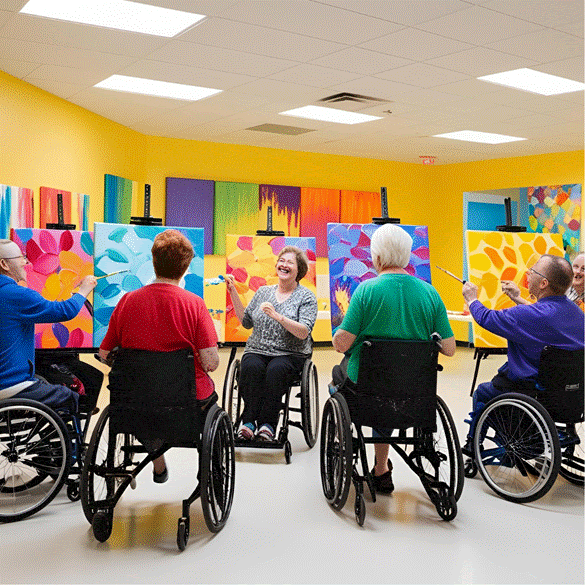
Being part of a community helps develop life skills such as social interaction, resilience, and empathy. As individuals participate in local activities, whether they’re attending a local event, joining a support group, or working with a local charity, they not only enrich their own lives but also contribute to the overall diversity and strength of the community.
The Role of Government Support for Promoting Community Participation
A key driver in enabling community participation for people with disabilities is the support provided by government programs. In June 2024, the Australian Government invested $218.67 million AUD (approximately $140.3 million USD) in the ILC program via community organisations. This funding aimed to deliver critical projects that benefit Australians with disability, their carers, and families. Through such initiatives, individuals are better supported to live independently, participate in society, and enjoy an enhanced quality of life.
Personal Fulfillment and the Sense of Purpose
Community participation is about more than just alleviating isolation; it’s also about providing individuals with a sense of purpose. It offers opportunities for individuals to make meaningful contributions to society, pursue their interests, and develop a sense of self-worth. Participation allows individuals to pursue hobbies, learn new skills, and discover their potential, leading to a more enriched life.
Statistics and Trends of Social Participation and Inclusion of Australians with Disabilities (2023-2025)
A recent report published by the Australian Institute of Health and Welfare stated that-
● Social Participation Rates: In 2022, 71% of Australians aged 15 and over with a disability participated in social activities, a slight decrease from 78% in 2006. Participation varied by state, with 73% in Western Australia and 69% in South Australia.
● Membership in Clubs or Associations: Approximately 24% of people with a disability aged 15–64 were active members of a sporting, hobby, or community-based club or association, compared to 30% of those without a disability.
How Does Community Participation Enhance Independence?
Community participation is a powerful tool for individuals with disabilities to gain the independence they deserve. Engaging in community activities such as social events, volunteering, or even attending local clubs helps individuals develop a variety of life skills that are critical for independent living. These activities provide opportunities to practice and refine essential skills, making it easier for individuals to navigate daily life confidently.
Some of the key life skills developed through community participation include:
● Social interaction skills: Engaging with peers and strangers helps individuals build confidence in communication, which is crucial for managing relationships and navigating social settings.
● Problem-solving abilities: Participating in community projects or events often requires individuals to think critically and adapt to unexpected situations.
● Time management: Attending scheduled community activities and planning participation helps individuals improve their ability to manage time effectively and meet commitments.
● Decision-making: Being involved in group activities or decision-making processes helps develop the confidence to make choices independently.
These skills not only enhance the quality of life but also directly contribute to a person’s ability to live more independently. As individuals with disabilities engage in more community-based activities, they begin to feel more empowered and capable of handling challenges in other areas of life. This increased independence leads to a greater sense of self-worth, fostering confidence in their ability to make choices and take control of their future.
Life Skills Development for Community Engagement
At Solve Care, we understand that community participation is not just about attending events; it’s about giving individuals the confidence and skills they need to navigate everyday life. Through our life skills development programs, we help participants develop skills that are essential for interacting in the community. Whether it’s learning how to manage finances, use public transport, or even cook a meal, these programs are designed to promote independence, making it easier for individuals to join in community activities without feeling limited by their disability.
We also provide continence care assessments for those who need additional support in this area. This ensures that every participant is supported in the best way possible, making their participation in social activities as seamless and comfortable as possible.
Our Experienced Team
Solve Care’s dedicated team of support workers and nurses play a crucial role in the daily support of our participants. They assist with everything from routine personal care to more complex medical needs, allowing individuals to live as independently as possible. This support is fundamental for people with disabilities who wish to participate more fully in the community but need assistance with daily tasks. We pride ourselves on the medical expertise that underpins our services. Founded by an AHPRA-registered medical professional, Solve Care ensures that each participant’s care plan is informed by the best possible clinical knowledge. This unique approach sets us apart from other disability support providers, as we combine compassion with a deep understanding of healthcare, ensuring participants receive well-rounded, professional care.