
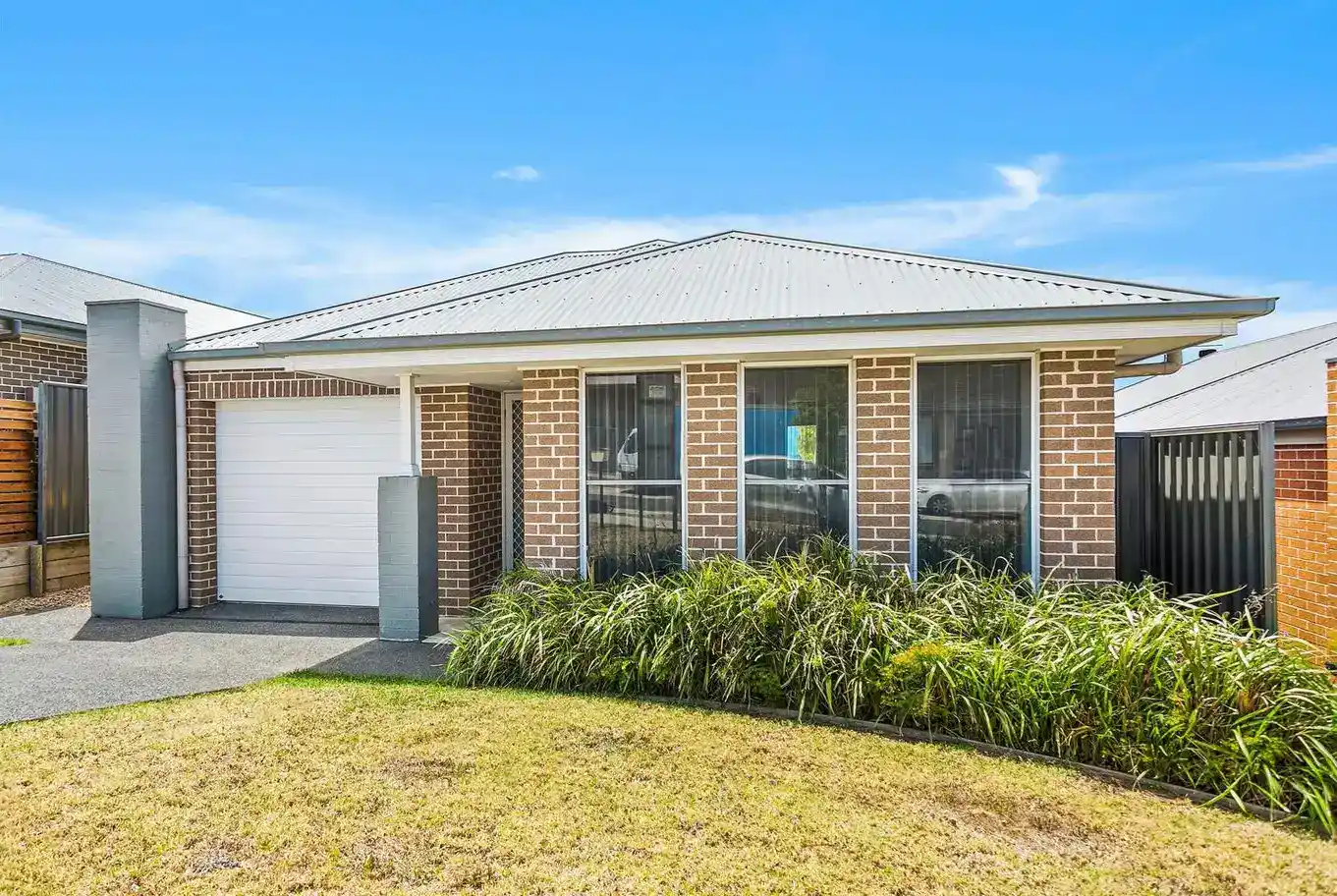

Finding the right NDIS accommodation is one of the most crucial decisions for anyone living with disability, as well as for their carers and support coordinators. It is not simply about having a roof overhead, it is about ensuring independence, accessibility, safety, and dignity in daily life.
At Solve Care, an NDIS-registered disability support provider based in the Illawarra region of New South Wales, we recognise that every participant’s living arrangement is deeply personal. The right setting can empower an individual to thrive, physically, emotionally, and socially. Whether it’s Supported Independent Living (SIL), Specialist Disability Accommodation (SDA), or other housing options, understanding these terms is the first step towards achieving a home that feels truly like one’s own.

When it comes to NDIS accommodation, particularly SDA housing, supply has not kept pace with demand. According to SDA Australia Group, as of 31 March 2025, there were 11,360 enrolled SDA dwellings across Australia, representing a 21% year-on-year increase and a 28% increase over the prior year.
Understanding NDIS Accommodation: Beyond Just Housing
Under the National Disability Insurance Scheme (NDIS), accommodation supports are designed to help participants live as independently as possible. But “NDIS accommodation” is not a one-size-fits-all concept, it encompasses a range of models that suit different needs, funding levels, and goals.
These arrangements can include:
- SDA (Specialist Disability Accommodation) – for individuals with very high support needs requiring purpose-built or modified homes.
- SIL (Supported Independent Living) – for those who need daily assistance with tasks but can live semi-independently.
- ILO (Individualised Living Options) – flexible supports that allow people to design their own unique living arrangements.
- Short-Term or Medium-Term Accommodation – for respite, transitions, or temporary needs.
At its heart, NDIS accommodation is about fostering autonomy, inclusion, and community participation, principles that Solve Care proudly upholds through its compassionate, medically guided approach to care.
The Growing Demand for NDIS Accommodation in Australia
The scale of the NDIS continues to grow at a remarkable pace. According to the Australian Institute of Health and Welfare, as of 31 December 2024, the NDIS had approximately 693,000 active participants with approved plans, of which around 61% were male (≈421,000) and 37% female (≈259,000).
This steady increase reflects not only the scheme’s expanding reach but also the growing recognition of disability support as a national priority. More individuals are now accessing structured assistance for independent living, employment, and healthcare through their NDIS plans, helping them participate more fully in society.
However, this growth also places added pressure on the demand for NDIS accommodation and related supports such as Supported Independent Living (SIL) and Specialist Disability Accommodation (SDA), areas that require ongoing innovation, investment, and collaboration between providers, local authorities, and support coordinators to meet Australia’s evolving care needs.
Did You Know?
According to NDIS Property Australia, the NDIS currently supports around 692,823 participants nationwide. Of these:
- 24,522 participants are eligible for SDA funding.
- 14,688 are already living in SDA dwellings.
- 9,834 participants are still seeking suitable accommodation.
Meanwhile, there are 18,112 SDA dwellings across the country, built under various design categories, ranging from basic to high physical support. This data highlights a significant supply-demand mismatch: more than 9,800 participants remain without the housing that best meets their support needs. This imbalance not only affects comfort and accessibility but also contributes to longer wait times, limited location choices, and reduced participant satisfaction.
At Solve Care, we recognise this national challenge and aim to bridge that gap locally by connecting participants in the Illawarra region with trusted housing partners and delivering supported independent living services that help them feel safe, comfortable, and supported every day.
Specialist Disability Accommodation (SDA): Designed for Complex Needs
Specialist Disability Accommodation (SDA) is housing specifically designed for people with extreme functional impairment or very high support needs. SDA homes are more than just accessible, they are carefully engineered environments that promote independence while allowing support to be delivered efficiently and safely.
Key Features of SDA Housing
- Accessibility and mobility design: Wider doorways, adjustable benches, accessible bathrooms, and reinforced walls for safety equipment.
- Assistive technology: Automated lighting, smart door systems, and voice-activated appliances to support daily independence.
- Safety measures: Emergency response systems, fall detection, and climate-control features.
- Purpose-built community design: SDA dwellings are often located close to community facilities, transport links, and healthcare services.
SDA funding is for the building itself, not for the daily care or support provided, that’s where SIL comes in.
Supported Independent Living (SIL): Building Everyday Independence
Supported Independent Living (SIL) is the cornerstone of daily care under NDIS accommodation. It focuses on assisting participants with everyday tasks so they can live more autonomously, whether in shared housing or individual homes.
Examples of SIL Supports:
- Personal care and hygiene: Assistance with daily self-care activities such as bathing, dressing, grooming, and maintaining personal cleanliness.
- Medication management: Ensuring medications are taken correctly and on time, with proper monitoring and record-keeping by trained support staff.
- Meal preparation and nutrition support: Helping participants plan, prepare, and cook nutritious meals that support their health and dietary needs.
- Household tasks like cleaning and laundry: Providing support to maintain a clean, safe, and organised living environment, fostering comfort and independence.
- Assistance with appointments, transport, and budgeting: Helping individuals manage schedules, attend appointments, travel safely, and handle financial responsibilities effectively.
- Emotional and behavioural support: Offering guidance, companionship, and strategies to manage emotions, build resilience, and maintain mental wellbeing.

Unlike SDA, SIL funding covers the support staff and services, not the building. Many participants receive SIL supports while living in SDA housing, but SIL can also apply to non-SDA homes, including rental or private properties.
At Solve Care, our Supported Independent Living services are delivered by trained support workers and effective community nursing care services, overseen by medically trained managers. This ensures participants receive safe, evidence-based, and compassionate care, enhancing their independence without compromising wellbeing.
Bridging the Gap: How SDA and SIL Work Together
While SDA and SIL are distinct, they often function best in combination. SDA provides the physical environment, designed for accessibility and safety, while SIL delivers the human support that makes daily living possible.
For example:
- A participant with cerebral palsy might live in a high physical support SDA dwelling with automated doors and hoists, while SIL staff assist them with personal care and mobility.
- A person living with psychosocial disability may reside in shared supported accommodation, where SIL workers provide emotional support, medication prompts, and help with community engagement.
This integrated approach ensures that NDIS accommodation truly meets both physical and social needs, helping individuals live meaningfully, not just comfortably.
Choosing the Right NDIS Accommodation: What to Consider
Selecting the right housing arrangement involves more than ticking eligibility boxes. It requires a deep understanding of each participant’s goals, abilities, and preferences.
1. Assess Support Needs
A qualified assessor or support coordinator can help determine whether SDA or SIL (or both) are appropriate, based on functional assessments and daily living requirements.
2. Identify Housing Preferences
Location, accessibility, proximity to healthcare, and sense of community all play major roles. For Illawarra participants, proximity to coastal areas, transport, and local networks can enhance quality of life.
3. Understand Funding Categories
Participants must ensure their NDIS plan includes appropriate funding, whether for SDA housing, SIL supports, or flexible living options like ILO.
4. Evaluate Providers
Choosing a trusted provider such as Solve Care ensures high standards of care, transparent communication, and a personalised approach to every participant’s lifestyle goals.
The Evolving Landscape of NDIS Accommodation
The NDIS housing landscape is transforming rapidly. Developers are investing in modern, technology-enabled SDA dwellings, while smaller, community-based providers like Solve Care are pioneering person-centred SIL models.
Key trends shaping the future include:
- Smart home technologies: Voice-activated systems, health monitoring devices, and adaptive lighting for safety and comfort.
- Sustainability and accessibility: Eco-friendly building materials and energy-efficient designs aligned with universal access standards.
- Regional focus: Expanding SDA and SIL options in regional areas such as Illawarra, addressing local gaps in accessibility.
- Integrated healthcare models: Combining medical supervision with support coordination to ensure holistic wellbeing.
As more Australians join the NDIS, these innovations will redefine what independent living looks like, making NDIS accommodation not only functional but empowering.
Support Coordination: The Link Between Plans and Homes
For many families and carers, navigating the NDIS housing pathway can feel complex and emotionally demanding. That’s where support coordination services become invaluable. These professionals act as the crucial bridge between a participant’s NDIS plan and their real-world aspirations, translating funding and paperwork into tangible outcomes that truly improve daily life.
Support coordinators help participants to:
- Understand and implement housing-related funding:
Support coordinators ensure that participants fully comprehend what their NDIS plan covers, particularly regarding NDIS accommodation, SDA housing, and Supported Independent Living (SIL). They clarify eligibility, assist with budget allocation, and guide individuals through the process of activating housing supports. This ensures that funding is used effectively, without confusion or missed opportunities. - Connect with suitable SDA or SIL providers:
Every participant’s needs and preferences are unique. Support coordinators work closely with clients to identify providers who offer the right type of housing, accessibility features, and care services. Whether it’s finding a purpose-built SDA dwelling with advanced accessibility or linking participants to SIL providers like Solve Care who can offer compassionate, medically informed daily support, coordinators help ensure the fit is both practical and personal. - Oversee transitions from family homes or hospitals into supported living:
Transitioning from a family setting or hospital into independent accommodation can be challenging. Support coordinators manage this process with care, ensuring all logistics are handled, from liaising with healthcare professionals and support workers to coordinating move-in timelines and adjusting support plans as needed. Their goal is to make the move seamless, minimising stress for participants and their families. - Manage ongoing relationships with support workers and allied health professionals:
Once accommodation and support are in place, coordinators continue to monitor how well these services are meeting a participant’s goals. They facilitate communication between support workers, nursing teams, and allied health professionals such as occupational therapists or psychologists, ensuring everyone is aligned in delivering holistic, high-quality care. This collaborative approach ensures participants receive consistent, person-centred support that evolves as their needs change.
At Solve Care, we work hand-in-hand with support coordinators across the Illawarra region, ensuring every participant’s journey; from funding approval to moving into their new home, is handled with professionalism, compassion, and clarity.
The Human Side of Independent Living
Beyond structures and funding categories, NDIS accommodation is ultimately about quality of life, a participant’s ability to wake up feeling safe, engage with their community, enjoy independence, and pursue personal aspirations. Supported independent living can be truly transformative in this regard. It fosters confidence in managing daily tasks, strengthens social connections through shared living environments, and encourages active participation in education, employment, or volunteering.
It also plays a vital role in supporting mental health by reducing isolation and promoting a sense of purpose. This is where Solve Care’s philosophy truly shines, blending medical expertise with empathy and combining professional care with genuine human connection to create a living experience that nurtures both independence and wellbeing.
Why the Illawarra Needs More Personalised Disability Housing
The Illawarra region, encompassing Wollongong, Shellharbour, and Kiama has seen rising NDIS participation, yet limited availability of specialised housing. Many participants and carers report long waiting times for SDA placements or difficulty accessing SIL supports aligned with their health needs.
As a locally based, female-led organisation, Solve Care addresses this gap by focusing on community-integrated support models. Our goal is to ensure that every participant not only finds suitable accommodation but also feels deeply connected to their local environment, surrounded by compassionate professionals who genuinely care.
Solve Care: Building Dignity, One Home at a Time
Understanding NDIS accommodation, from SDA housing to Supported Independent Living (SIL), is about more than decoding acronyms. It’s about recognising the profound connection between a person’s environment and their wellbeing.
At Solve Care, we see accommodation as an extension of care. Every living space should empower independence, safeguard dignity, and nurture belonging. Our medically led team, compassionate support workers, and strong community partnerships ensure participants in the Illawarra region receive the highest quality of support, whether through SIL, SDA, ILO, short-term accommodation or other personalised care pathways.
For NDIS participants, carers, and support coordinators seeking a trusted partner who combines clinical excellence with heart, Solve Care stands ready to help. Because at the end of the day, a home should not just meet needs, it should inspire confidence, comfort, and a sense of belonging.
Interested in learning how Solve Care can support your NDIS accommodation journey? Reach out today to explore supported independent living, SDA options, and personalised support coordination across the Illawarra region.